


It’s that time of year — thePlasticsFella Wrapped.
We’ve been going through the 2025 data, and the more we look at it, the less this feels like a story about traffic. It’s a story about behaviour. In 2025, people didn’t use thePlasticsFella like a website. Instead, they used it like a clinical tool: something you reach for under pressure, when you need clarity quickly.
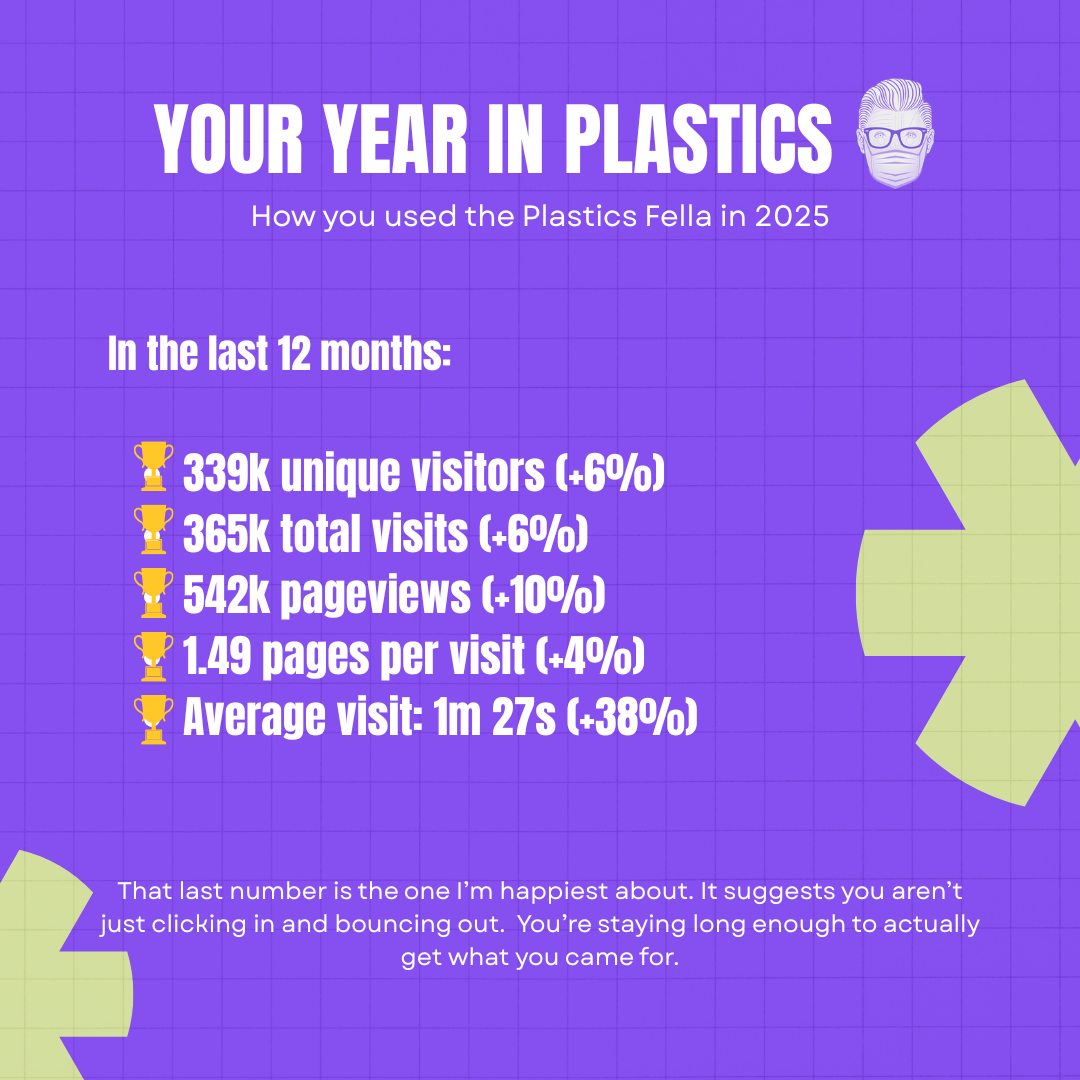
The headline numbers are strong for a niche specialty: 349,000 unique visitors, 373,000 visits, and 553,000 pageviews. But the number that matters most to me is this: users stayed longer. Average visit duration increased 36% to 1:27...not a vanity metric, but a sign of trust.
So here’s the 2025 wrap: the moments, the patterns, and what this community reached for most.
❤️ P'Fella
How You Found thePlasticsFella in 2025
Being discovered and remembered
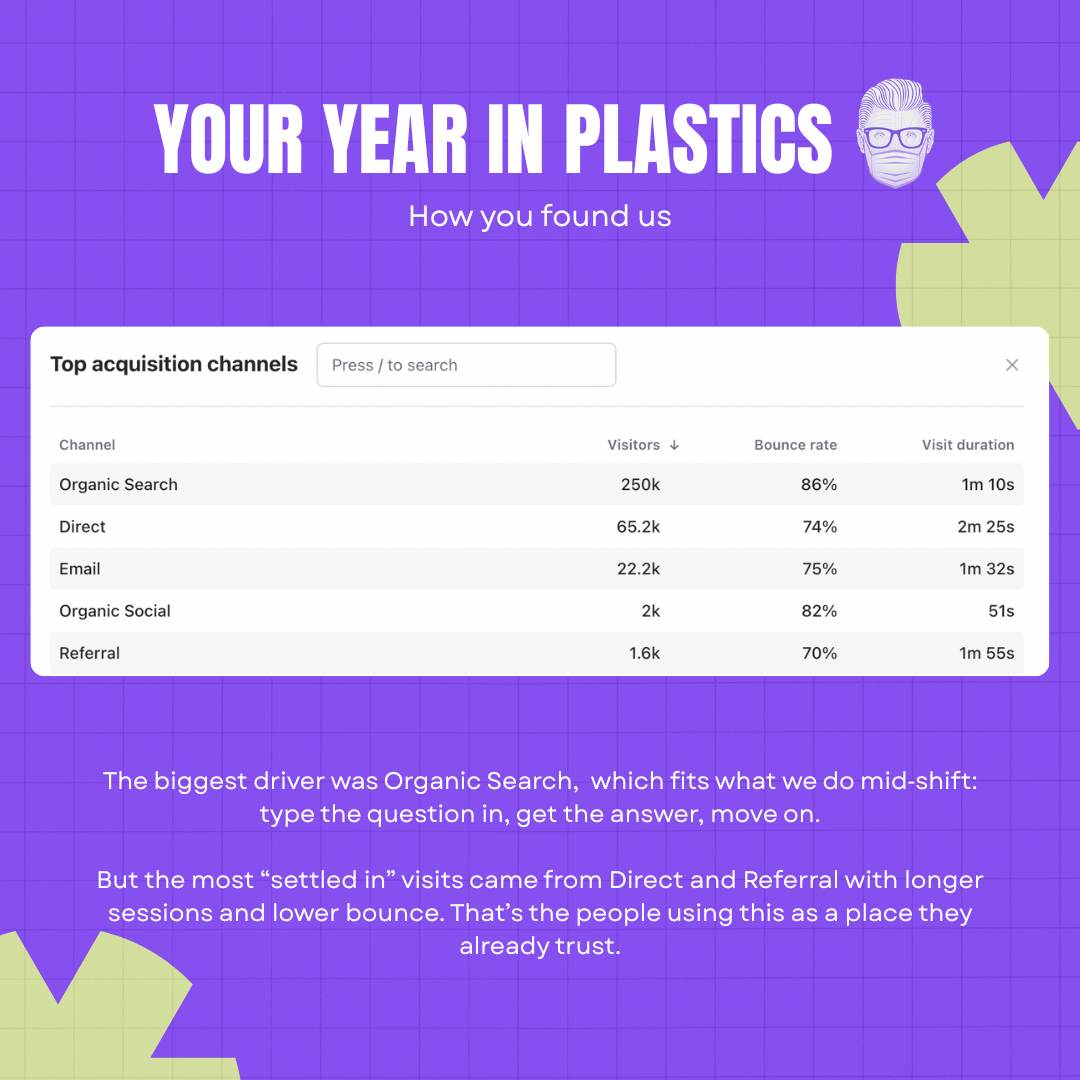
The entry points tell their own story. In 2025, you most often arrived through organic search (259k visitors), followed by direct traffic (66.8k) and email (21.8k).
Each route reflects a different relationship with the platform. Search is need-based... you’re looking for an answer in the moment. Direct traffic is habit, which means you know exactly where to go without asking Google. Email is the strongest signal of all: an owned connection that doesn’t depend on algorithms or rankings.
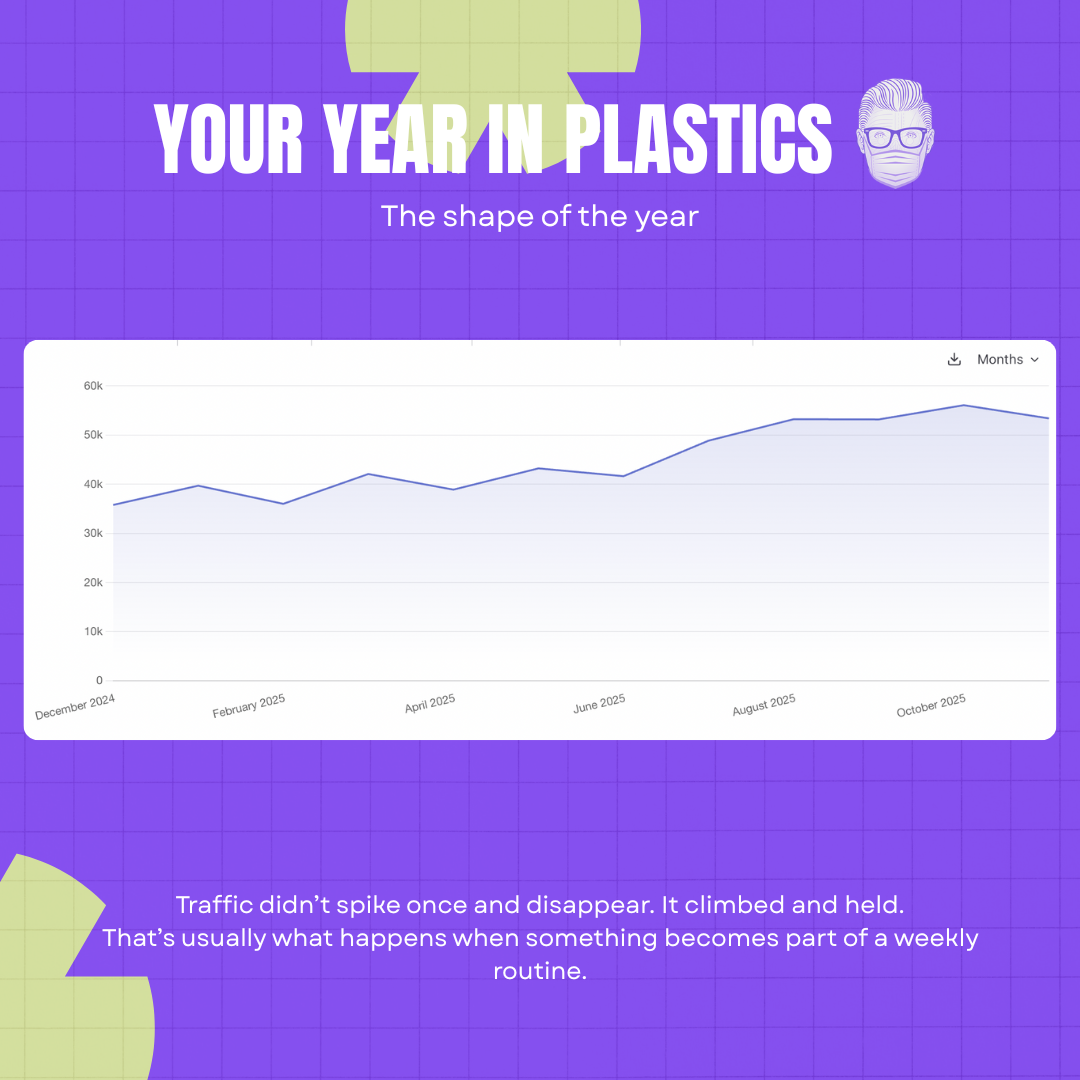
Taken together, it shows thePlasticsFella isn’t just being discovered. It’s increasingly being remembered.
The Biggest Insight from 2025
You used the platform in two modes
The most important thing the data revealed this year is that your behaviour falls into two clear patterns. You arrived either task first or topic first, and almost everything else followed from that.
Task first is the dominant mode. This is when you come with one urgent question and very little patience because your context is clinical, not academic. You typically arrive via Google, spend about 53 seconds on a page, and leave. Only around 16% click into a second article, yet this group makes up roughly 80% of all users. At first glance, that looks like shallow engagement, but it is not. It is the digital equivalent of grabbing a senior colleague in the corridor to ask one question before going back to a patient. You are not there to browse. You are there to do the right thing and avoid making a mistake.
Topic-first is different. In this mode, you are more likely to arrive directly and stay longer, reading multiple articles and moving through related topics. The content does not change between the two groups. The difference is intent. When you arrive topic first, thePlasticsFella stops functioning like an answer engine and starts functioning more like a mentor.
That distinction explains why certain metrics look the way they do, and more importantly, it should shape how the platform evolves next.
Global Reach, but Universal Needs
Which country ranked first?
In 2025, thePlasticsFella’s reach was unmistakably global. The largest audiences came from the United States, United Kingdom, India, and Australia, followed by Turkey, Canada, Mexico, Brazil, and Malaysia.
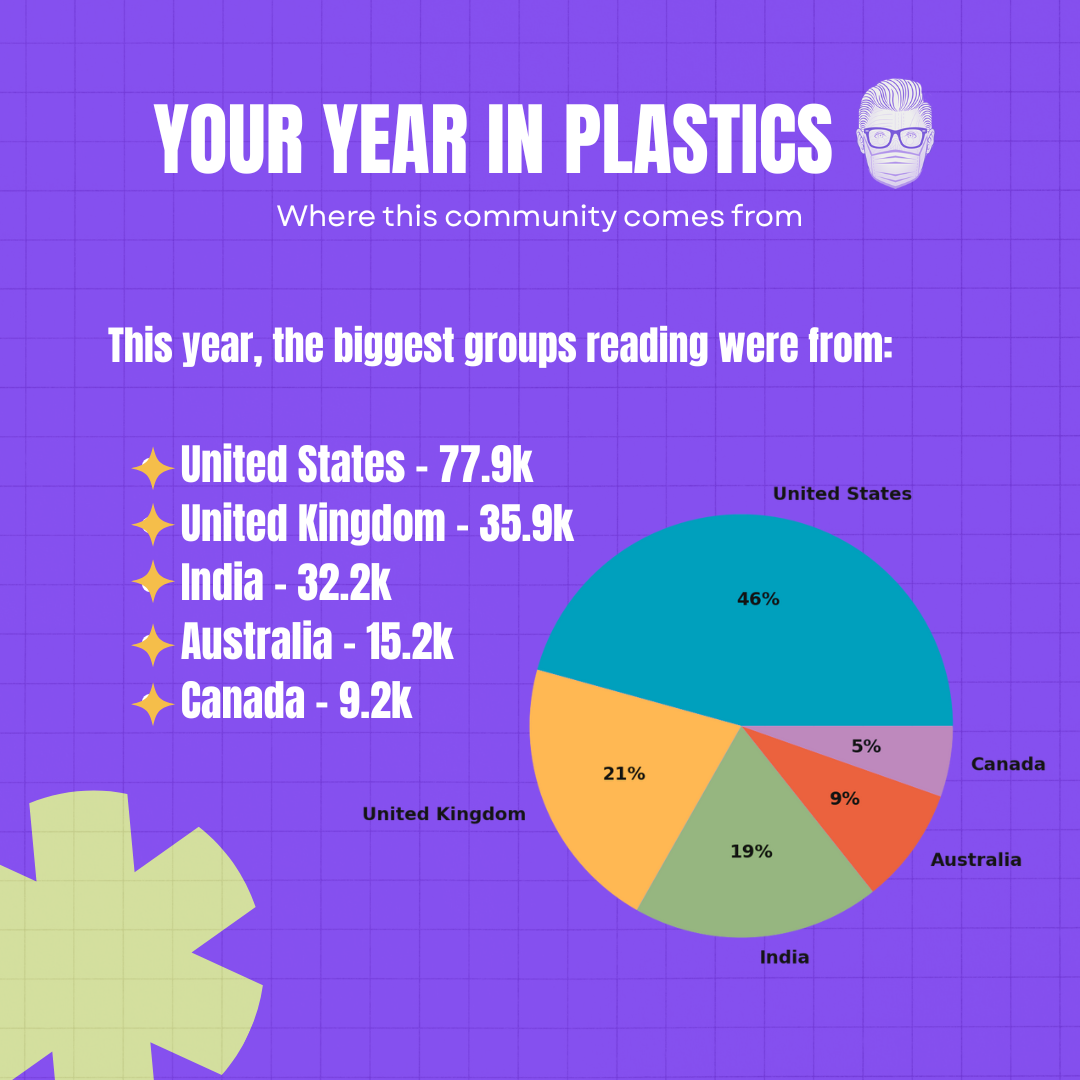
But the real insight is not just geography. It is that the same learning gaps show up again and again across very different training systems. Different exams, different hospitals, different cultures, but strikingly similar questions and anxieties.
That is why scalable education is possible. The need is not local. It is universal.
The €25,000 Experiment
Foundations.. and what actually makes you learn
The most decisive work of 2025 was stopping the guesswork and properly testing how people learn on the platform. We invested €25,000 in an experiment that delivered the same plastic surgery curriculum in three formats: a traditional textbook with a digital version, the website as the control, and a chat interface combined with a textbook.
The early results looked predictable. The textbook, despite its authority, had the highest friction and produced the shallowest engagement, with shorter sessions and weaker depth. The website reduced friction and produced moderate depth.
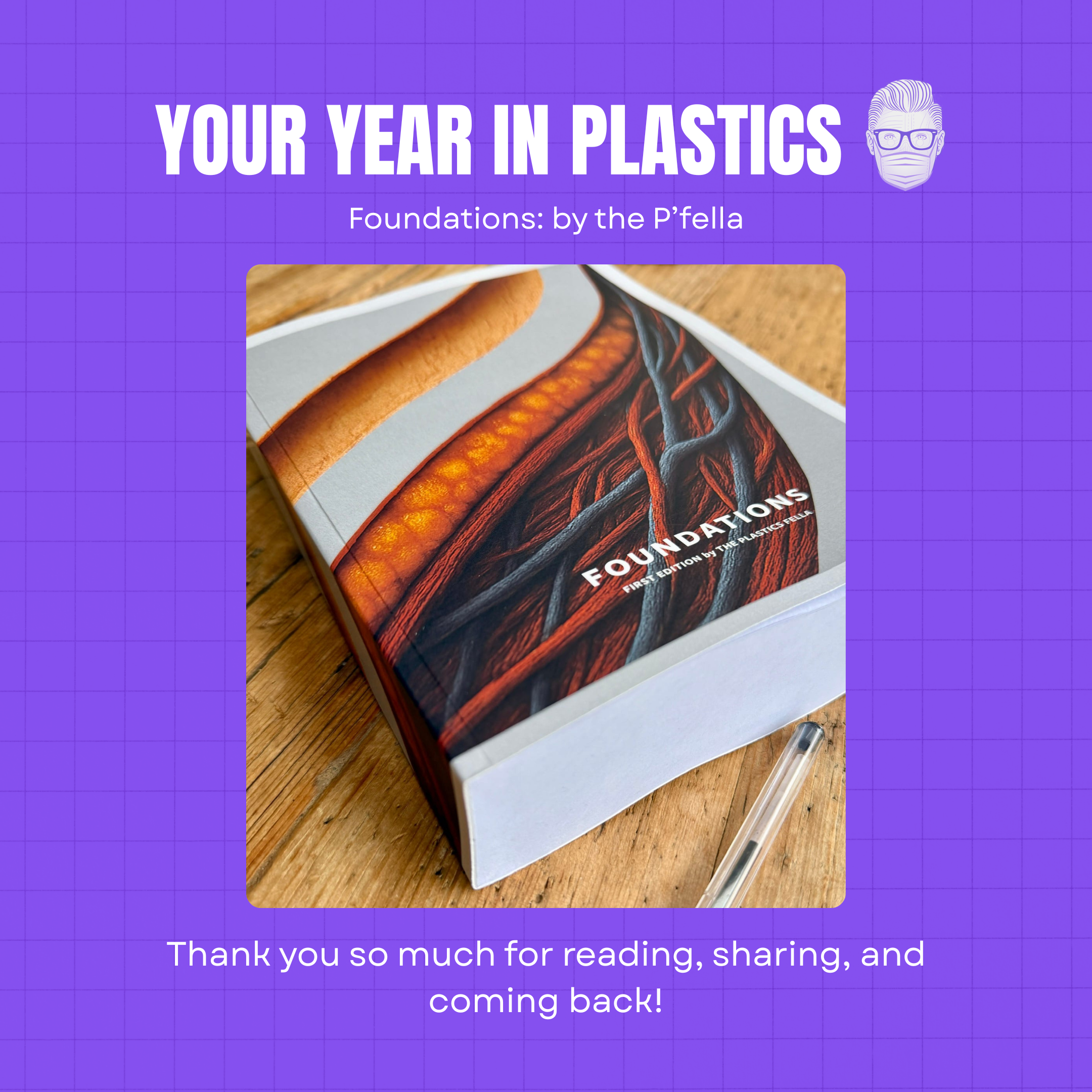
But the real insight came when formats were combined. The chat plus textbook experience consistently produced the deepest reading, the longest sessions, and the strongest signals of genuine learning.
This reframes what we assume about modern trainees. You are not incapable of depth, and you are not unwilling to learn. You are time-poor, cognitively overloaded, and constantly context-switching. You need low friction and a strong structure. Chat reduces the barrier to entry and helps you maintain momentum. Structured content provides the framework that turns momentum into understanding.
What You Proved in 2025...
and what it means for 2026
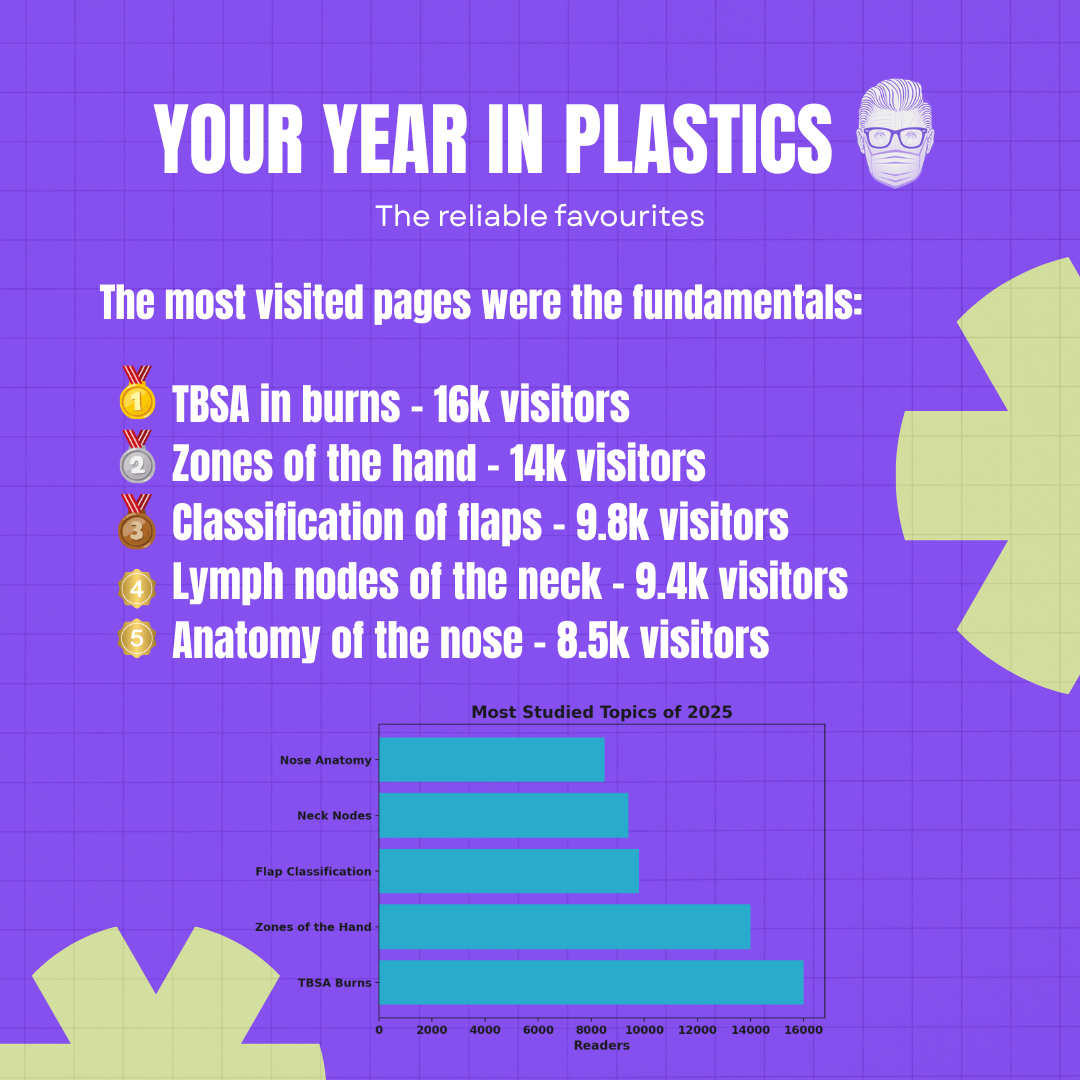
When we distil 2025 down, you proved a few key truths about how surgeons actually learn. Most learning begins as retrieval because that is how clinical work operates. Retrieval is not laziness, it is necessity. Trust is earned by delivering reliable answers quickly under pressure. The fundamentals dominate demand globally. And deep learning is achievable when the pathway is clear and friction is low. Most importantly, hybrid delivery, especially chat paired with structured content, seems to be the strongest bridge between “I need this now” and “I want to understand this.”
That is the focus for 2026. In 2025, I built pages. In 2026, I need to build pathways that adapt to your intent. The platform must stay exceptional for task first use, because that is the reality of surgery and the reason you trust it. But it also needs to convert urgency into progression by guiding you toward what to read next, building structured learning sequences, and using AI as the bridge between retrieval and real understanding. The goal is not just answers, but competence, confidence, and performance at scale.
The most remarkable part of 2025 is not the growth. It is that 349,000 people showed up and used the platform seriously. You did not come for entertainment. You came for clarity, structure, and confidence in a specialty that is hard. That is a responsibility, and the clearest signal that this is worth building properly.
