


In this week's edition
- ✍️ Letter from P'Fella
The pay-to-publish funnel - 🖼️ Image of the Week
Fat grafting: Strategic lipofilling - 🚑 Technique Tip
Submental liposuction - 📖 What Does the Evidence Say?
Coleman fat grafting: Quick evidence-based review - 🎈 Events
Recap of the pilot Grassroots event in Malaysia! - 🔥 Articles of the Week
Lipofilling for breast & oncologic safety, burn scars, & PAL as an alternative to flap recon. - 💕 Feedback
Suggest ideas & give feedback!
A Letter from P'Fella
The Pay-to-Publish Funnel
Here's what i mean 👇
Someone early in training wants to get into research. They don’t know where to start, they’ve been told they need publications, and they’re already feeling behind. Then along comes a course. Pay this fee, learn how to do research, get your paper ready, understand the submission process, improve your chances.
On paper, that sounds helpful. In reality, a lot of it feels like people have found a way to turn insecurity into a business model.
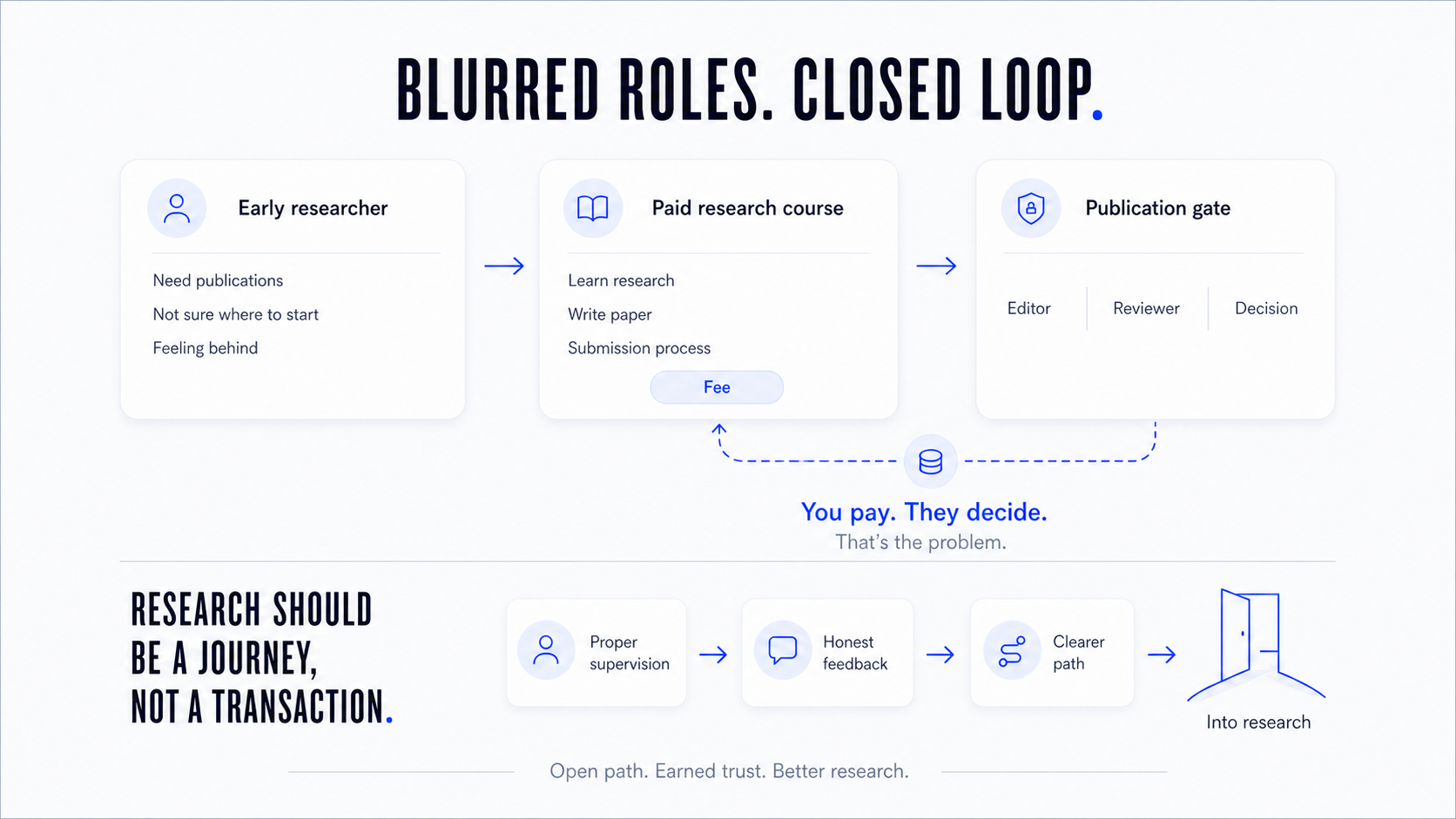
The part that really bothers me is what happens next. The people running these courses are often not just “teaching research.” They’re already living inside the publication ecosystem. They review papers, they work with the journals, and they sit close to the editorial processes. Sometimes it’s the same person. Sometimes it’s the same small circle. Either way, the line starts to blur. If you’re making money from people who feel lost and then you’re also anywhere near the system judging what gets through, that’s a problem.
Because at that point, it stops feeling like mentorship and starts feeling like access is being sold. You’re no longer just teaching someone how to think, question, write well, and do honest work. You’re selling them the sense that you know the route in. That if they pay you, they’ll be a bit closer to the gate. And that is exactly what makes it feel so grubby. The whole thing feeds off the same pressure juniors have been dealing with for years: publish something, get something on your CV, don’t fall behind. People know how anxious that makes trainees and students.
To be clear, this isn’t a swipe at trainees doing peer review, and it’s not a swipe at people who teach research properly. Plenty of them are brilliant. The issue is much simpler than that....
If you are charging people to teach how to get published, you should not also be anywhere near deciding what gets published.
That shouldn’t be a controversial standard. Research already has enough problems without turning it into a pay-to-enter loop dressed up as education.
What younger researchers need is proper supervision, honest feedback, and a clearer way into research that doesn’t depend on paying to get in. What they do not need is another polished course promising confidence, access, and a paper at the end of it. We should be much more honest about that.
With love,
P’Fella ❤️
Image of the Week
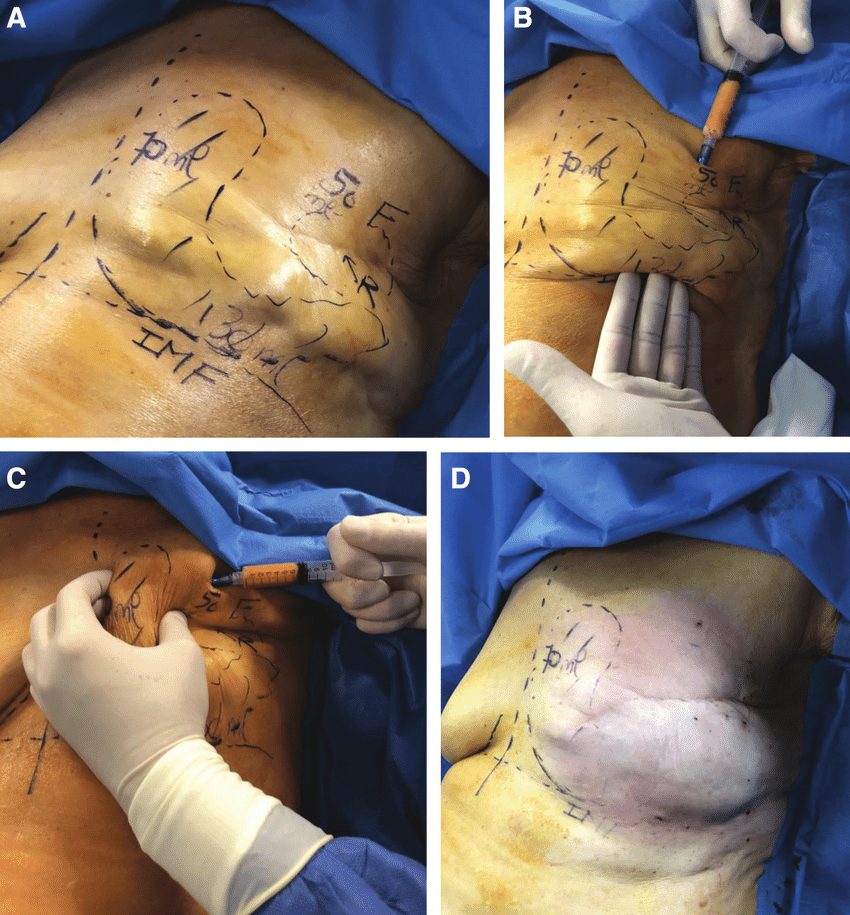
Fat Grafting: Strategic Lipofilling
This week's image focuses on lipofilling strategy, highlighting how fat grafting is planned and delivered in a structured, multi-zone approach.
Fat is placed in small, layered aliquots across different planes, maximising surface area for revascularisation and graft survival. This staged, distributed technique is key to achieving predictable volume retention and smooth contour.
In practice, fat grafting outcomes are often built over multiple sessions, with each stage refining contour and volume.
Technique Tip
Submental Liposuction
This video demonstrates submental liposuction, a targeted body contouring procedure to improve jawline definition by removing excess submental fat. The key principle is controlled, even fat removal rather than aggressive suction, as over-resection leads to contour irregularities and poor aesthetic outcomes.
The technical takeaway is strategic cannula movement through small access points, maintaining a uniform plane while preserving dermal support. Smooth, fan-shaped passes and constant reassessment are essential to achieve a balanced contour and natural cervicomental angle, rather than simply volume reduction.
What Does the Evidence Say?
Coleman Fat Grafting
The more controversial question is whether centrifugation itself is the reason Coleman grafting works so well. Modern evidence reviews are more cautious here. The clinical literature is limited and heterogeneous, and a systematic review concluded that there is still no universal best processing method across all indications. In breast fat grafting specifically, it did not find a consistent long-term retention advantage for one processing method over another, while washing and filtration performed as well as or better than centrifugation in some settings.
The Coleman framework remains highly influential, but the strongest evidence supports gentle handling and layered micro-droplet placement more than rigid adherence to one exact spin protocol.
Sources: (Coleman, 2006); (Lee, 2008); (Gir, 2012); (Egro, 2022), (Langridge, 2023)
Events
Pilot Grassroots Event in Malaysia!
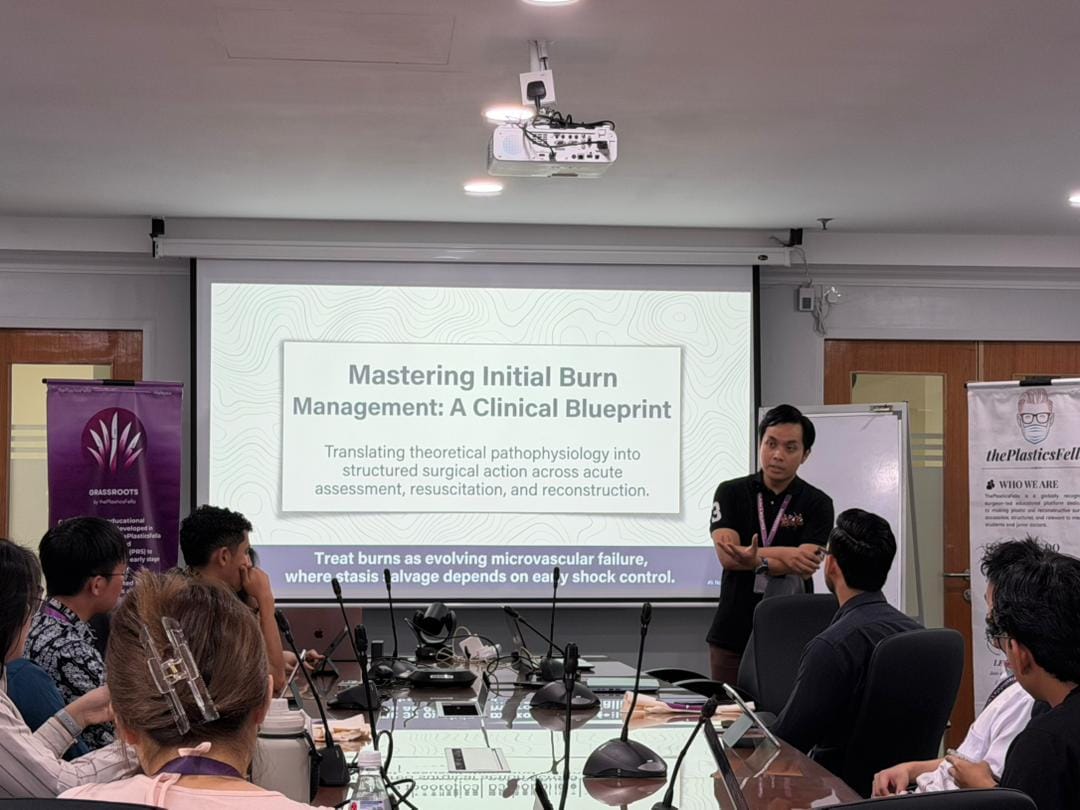
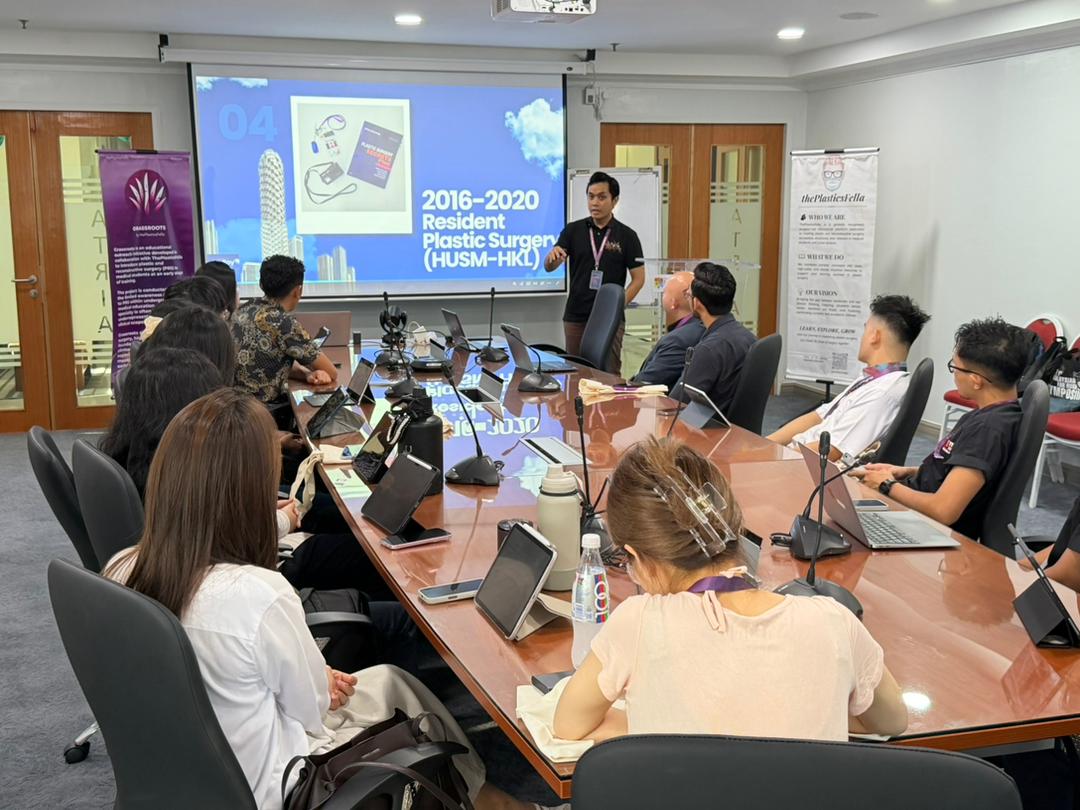
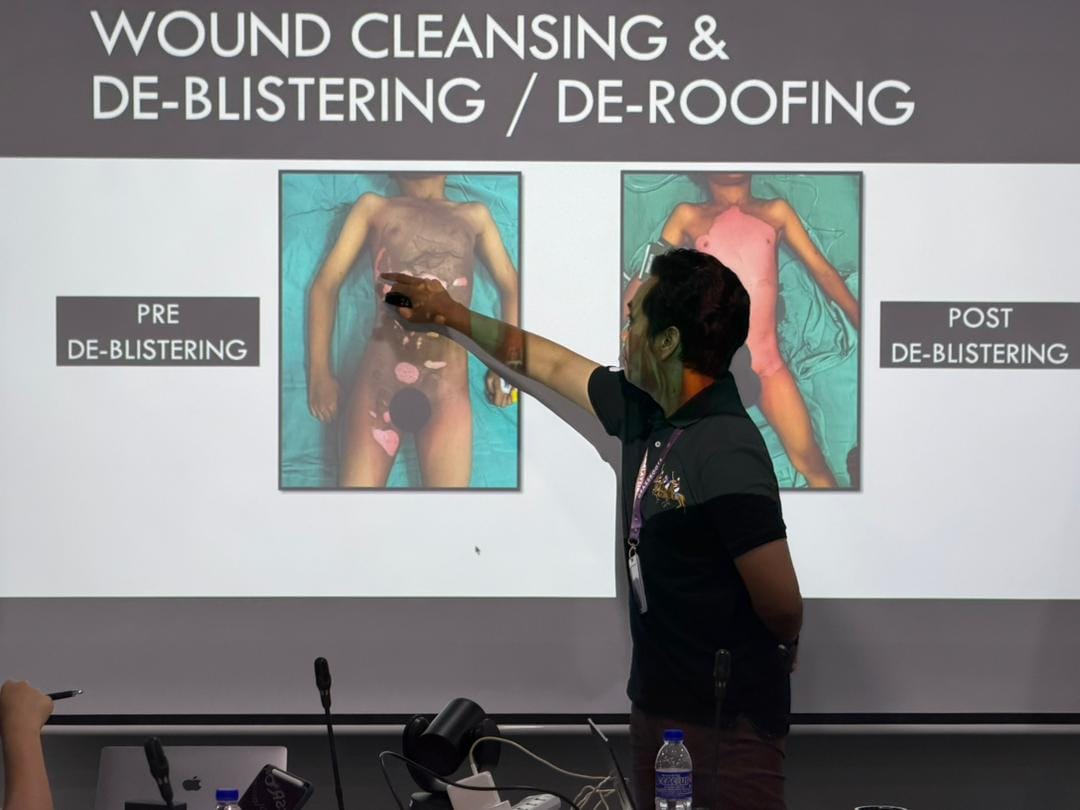
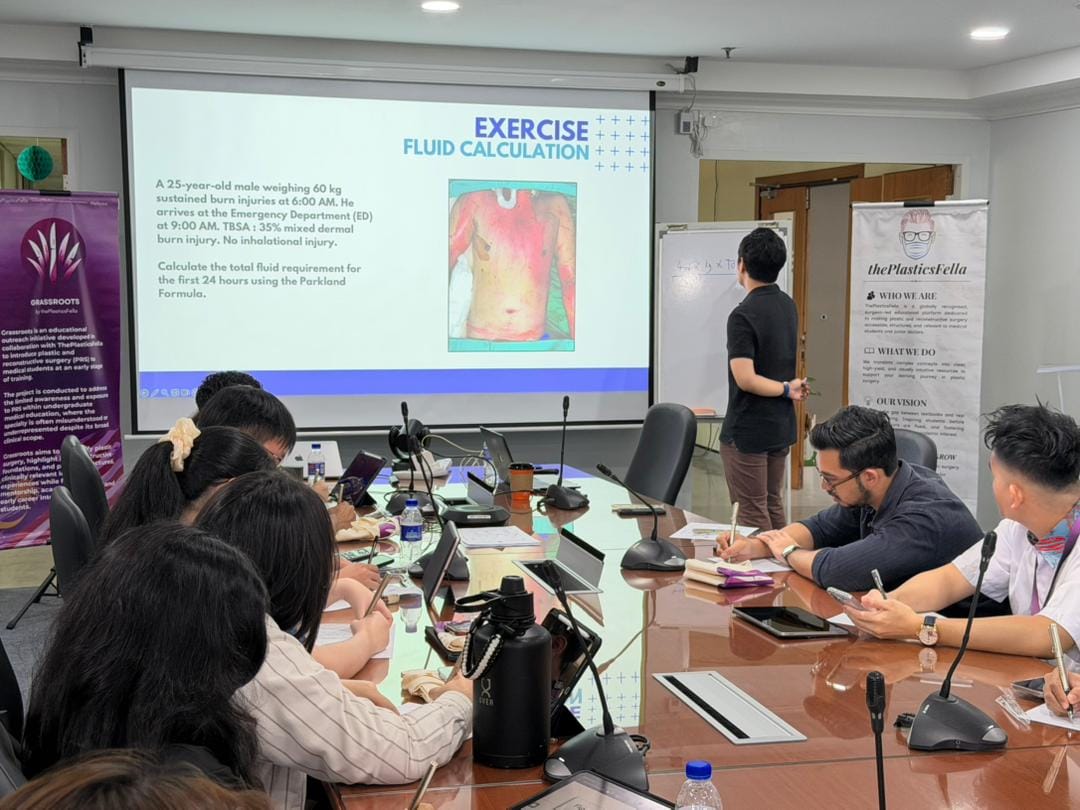
Our first-ever Grassroots session on burns brought together a small group of medical students for a focused, case-based introduction to early plastic surgical thinking.
Led by Dr Mohd Shahrul (Plastic, Burn & Reconstructive Surgeon; MSBI President), the session explored how to approach burn assessment, resuscitation, and decision-making in real clinical contexts.
From working through acute scenarios to discussing longer-term considerations, the emphasis was to localise universal surgical principles and make core knowledge more relevant to real clinical contexts on the ground.
A strong start to the Grassroots series, with more sessions to come!
Pilot Grassroots Event in Malaysia
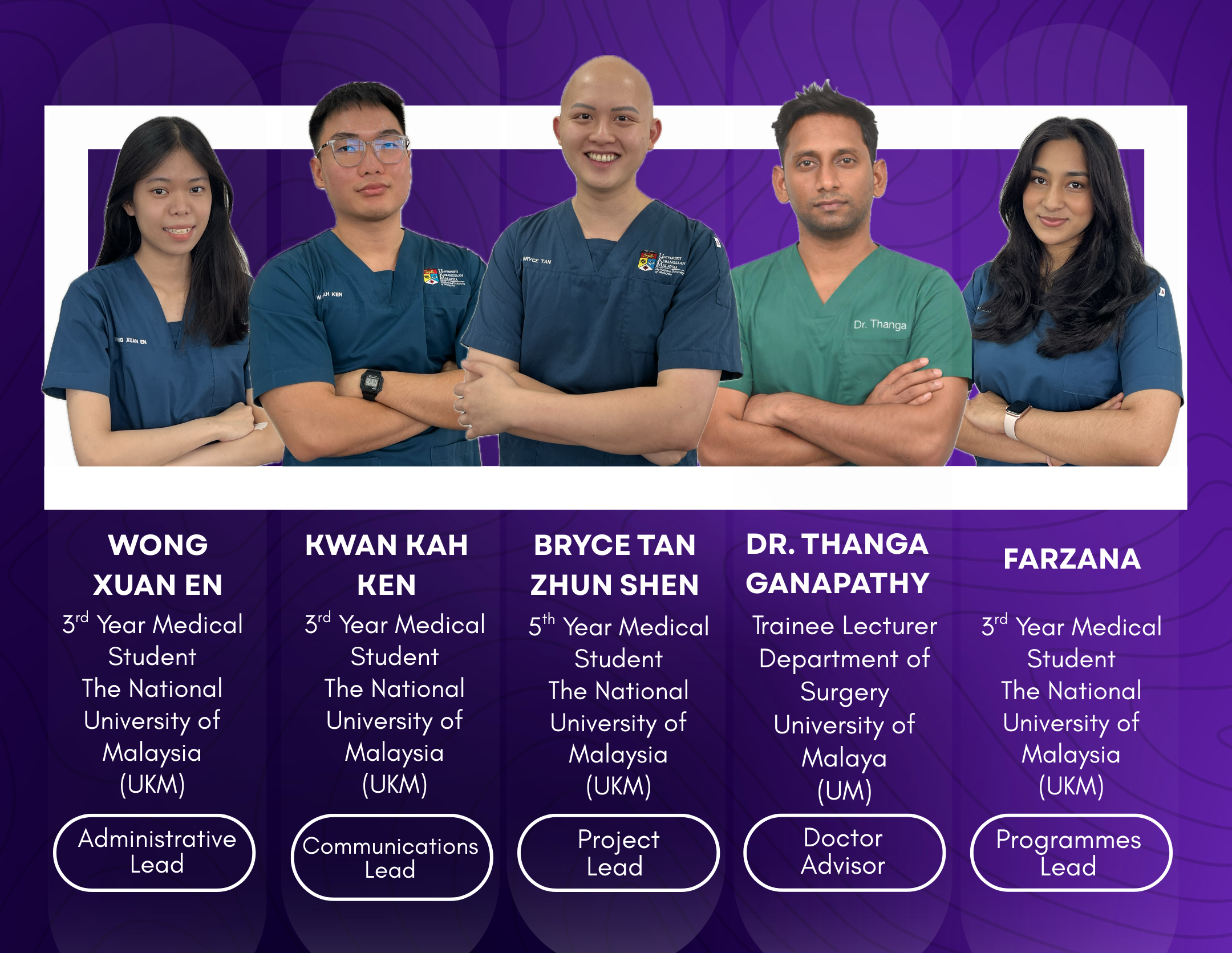
Thank you to the amazing Grassroots Malaysia team for making this possible!
Articles of the Week
3 Interesting Articles with One-Sentence Summaries
PAL is a minimally invasive technique that converts restrictive scar/aponeurotic tissue into a vascularised “regenerative scaffold” via percutaneous mesh release (Rigottomy), then seeds it with micro-fat grafts, enabling in-situ tissue regeneration rather than tissue transfer.
Autologous fat grafting in breast reconstruction does not increase local or systemic recurrence rates compared to matched controls, with comparable long-term outcomes, even across different tumour types and treatments, supporting its oncologic safety in clinical practice.
Fat grafting into burn scars induces progressive histological remodelling: normalising collagen architecture, reducing inflammation, and enhancing vascularity, resulting in significant functional and aesthetic improvement.
