


In this week's edition
- ✍️ Letter from P'Fella
What 1.2 million minutes of learning means - 🖼️ Image of the Week
Building the new plastics visual library - 🚑 Technique Tip
Upcoming podcast teaser: SCIP flap - 📖 Build with Us
Help choose the next version of thePlasticsFella - 🔥 Articles of the Week
Digital education and visual tools: 3 recommended articles - 💕 Feedback
Suggest ideas & give feedback!
A Letter from P'Fella
What 1.2 Million Minutes of Learning Means
Those numbers are exciting, but more than that, they show the platform has become part of people’s actual training. It’s not something they find once and forget. They’re coming back, reading properly, revising, checking things before cases, and using it during real working weeks. That means a lot to us.
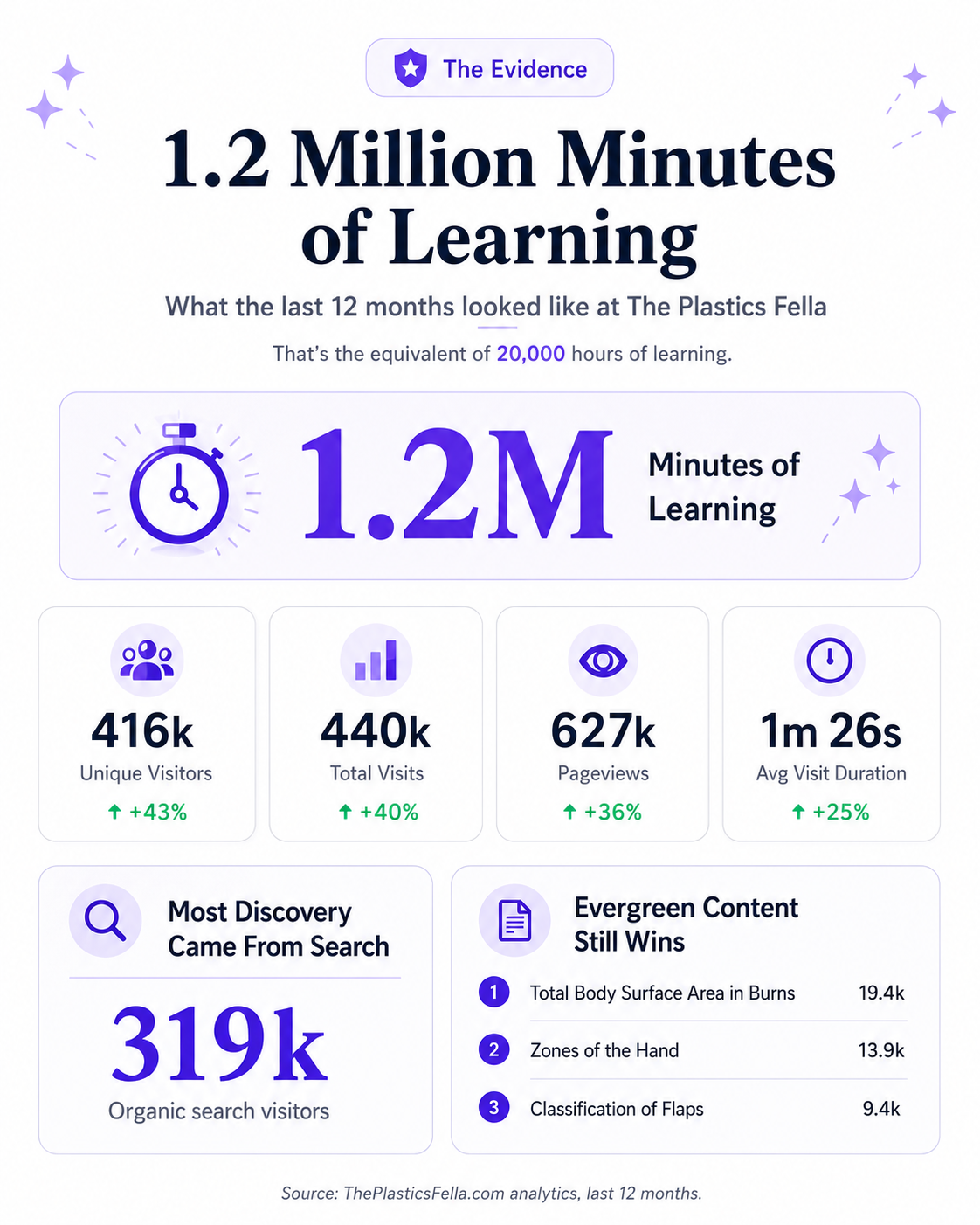
It also sharpens the responsibility.
The original version of The Plastics Fella was, in many ways, about getting good information in one place. That still matters. But what we’re trying to do more and more now is move beyond simply stating facts. The goal is to help people understand.
- Why something is done a certain way.
- Where decision points are.
- What actually matters when you’re trying to apply something, not just remember it.
That shift is important to us, because there’s plenty of information out there already. What people need is something that makes the information make sense. I heard a great quote in the post-AI era:
Someone on X/Twitter
That’s why we’ve started building out the team more thoroughly.
We’ve recently onboarded a new on-call team, who are already reviewing articles with that exact focus: improving educational quality, not just technical accuracy.
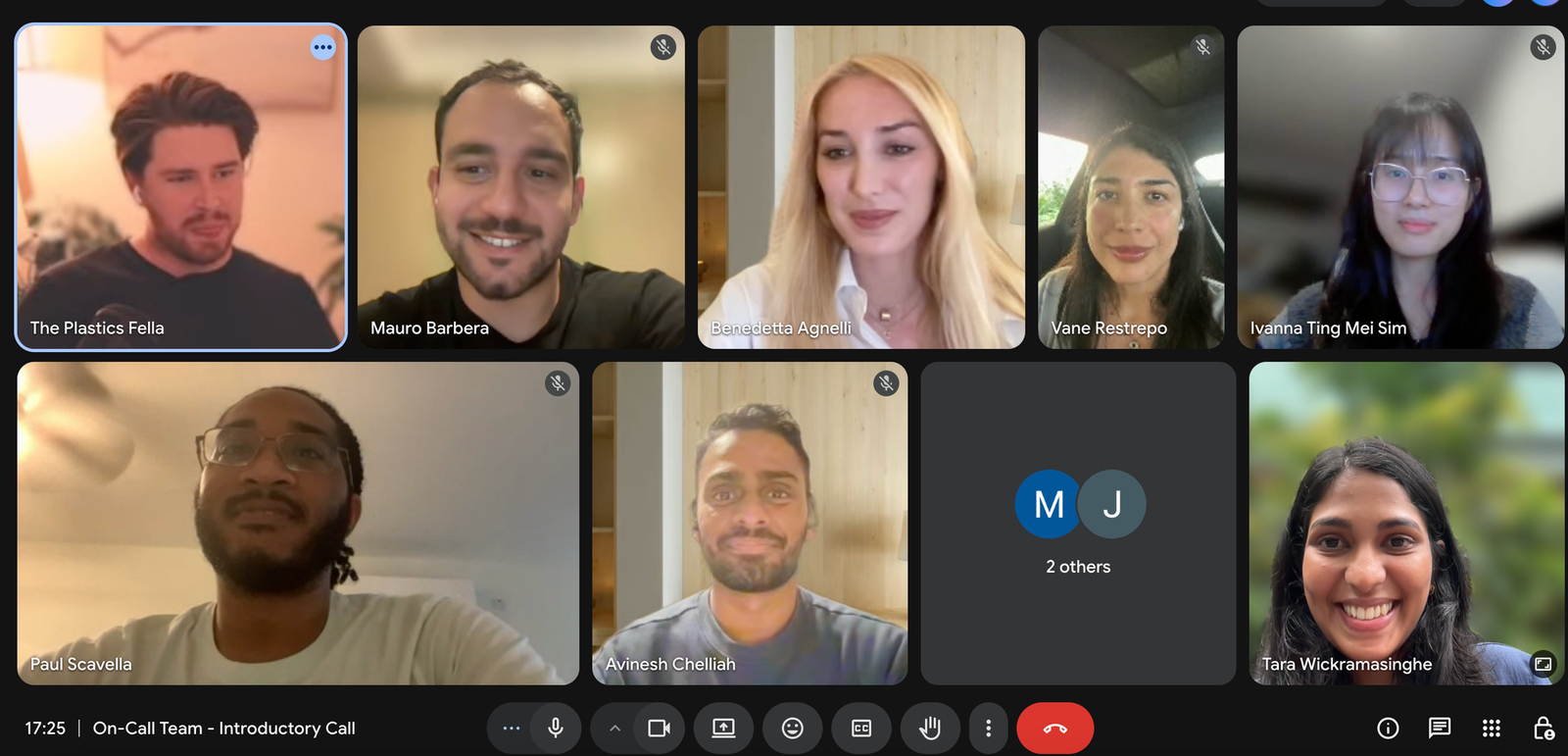
There’s a difference between an article that contains information and one that genuinely teaches. That’s the standard we want to hold ourselves to, and we’re committed to maintaining and refining that level of care behind the work.
So this week’s letter is really just that: a small pause to celebrate the milestones and share what we’re building. The numbers are nice, but what we care about most is whether The Plastics Fella keeps becoming more useful, more thoughtful, and more educational for the people who trust it.
We’ve got a lot more coming.
P’Fella ❤️
Image of the Week
Building the New Plastics Visual Library
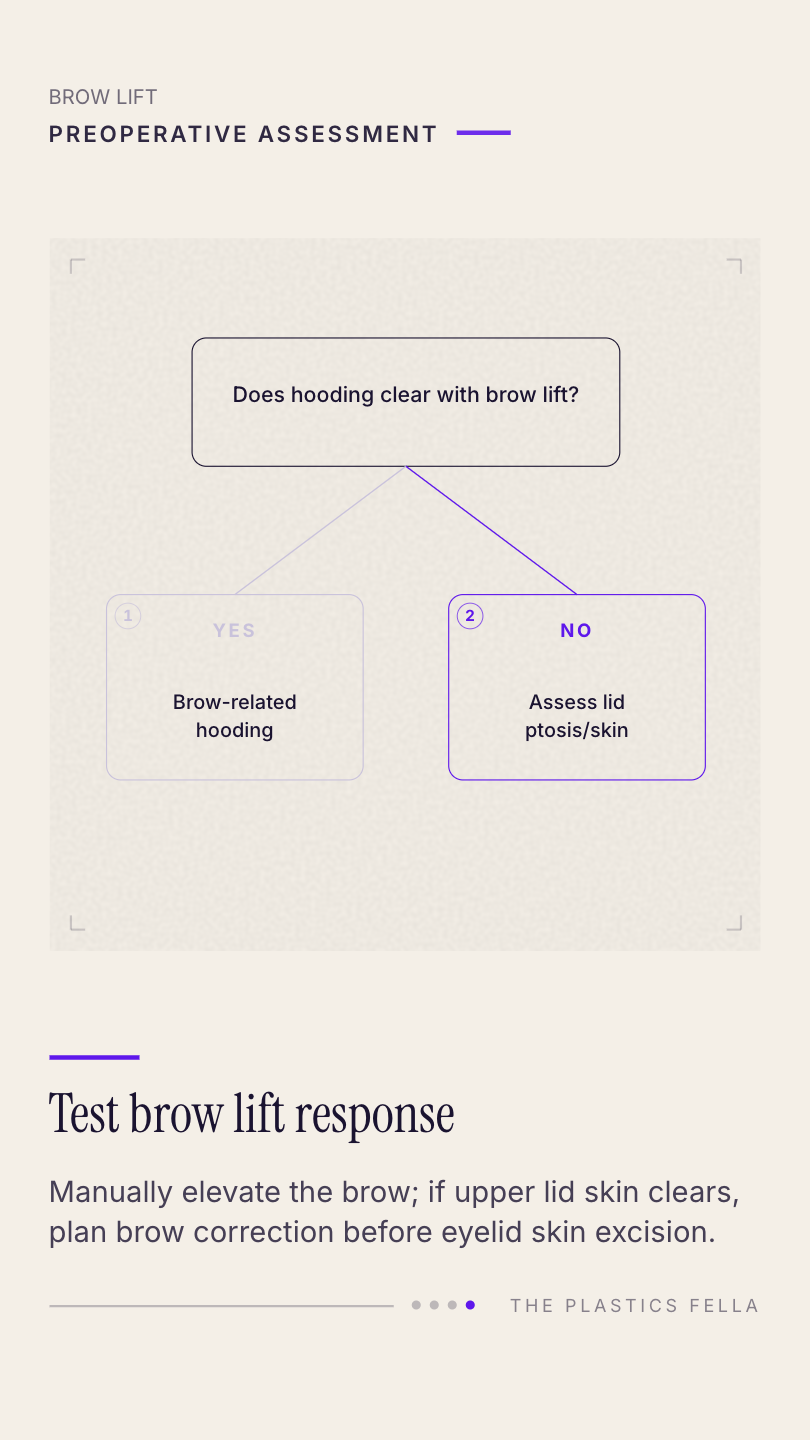
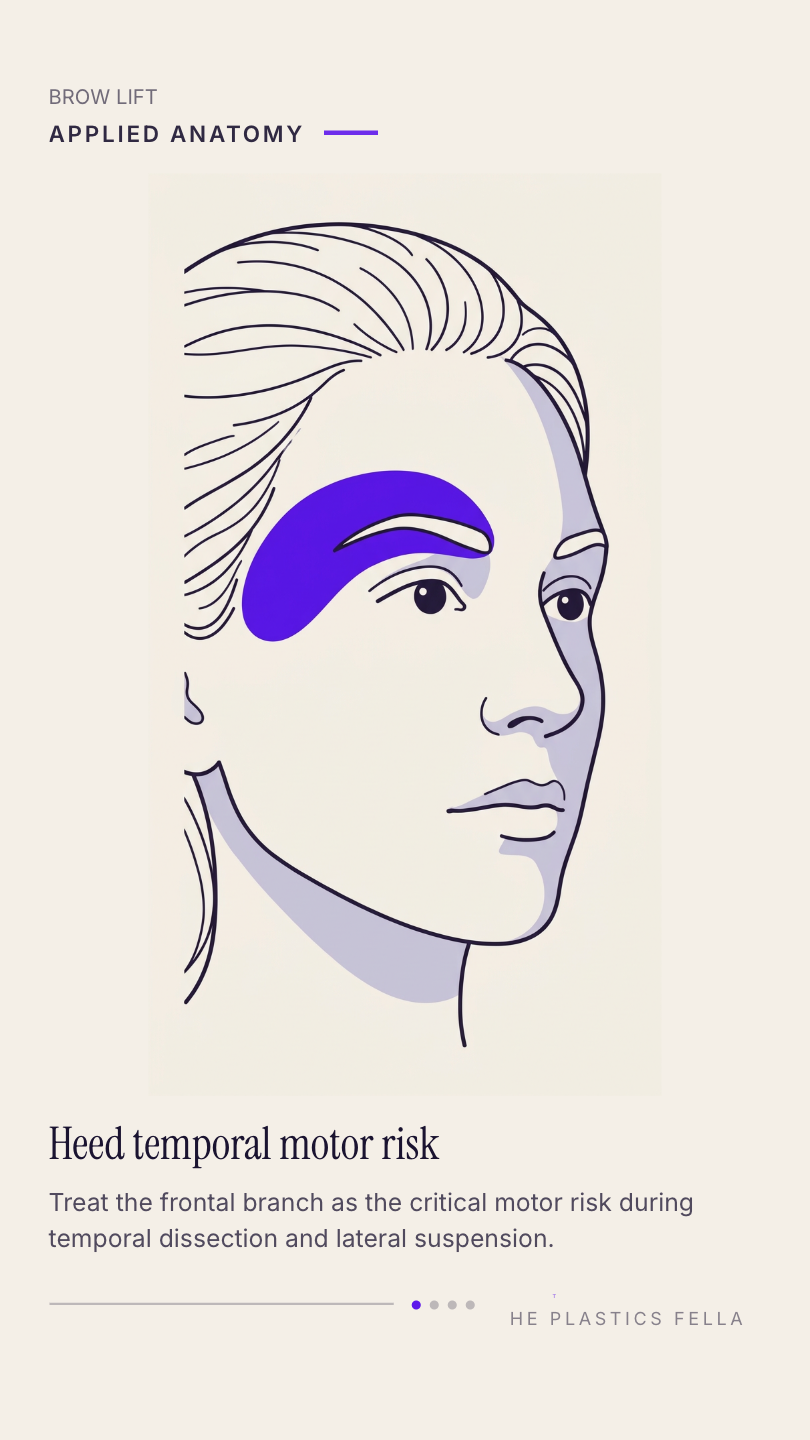
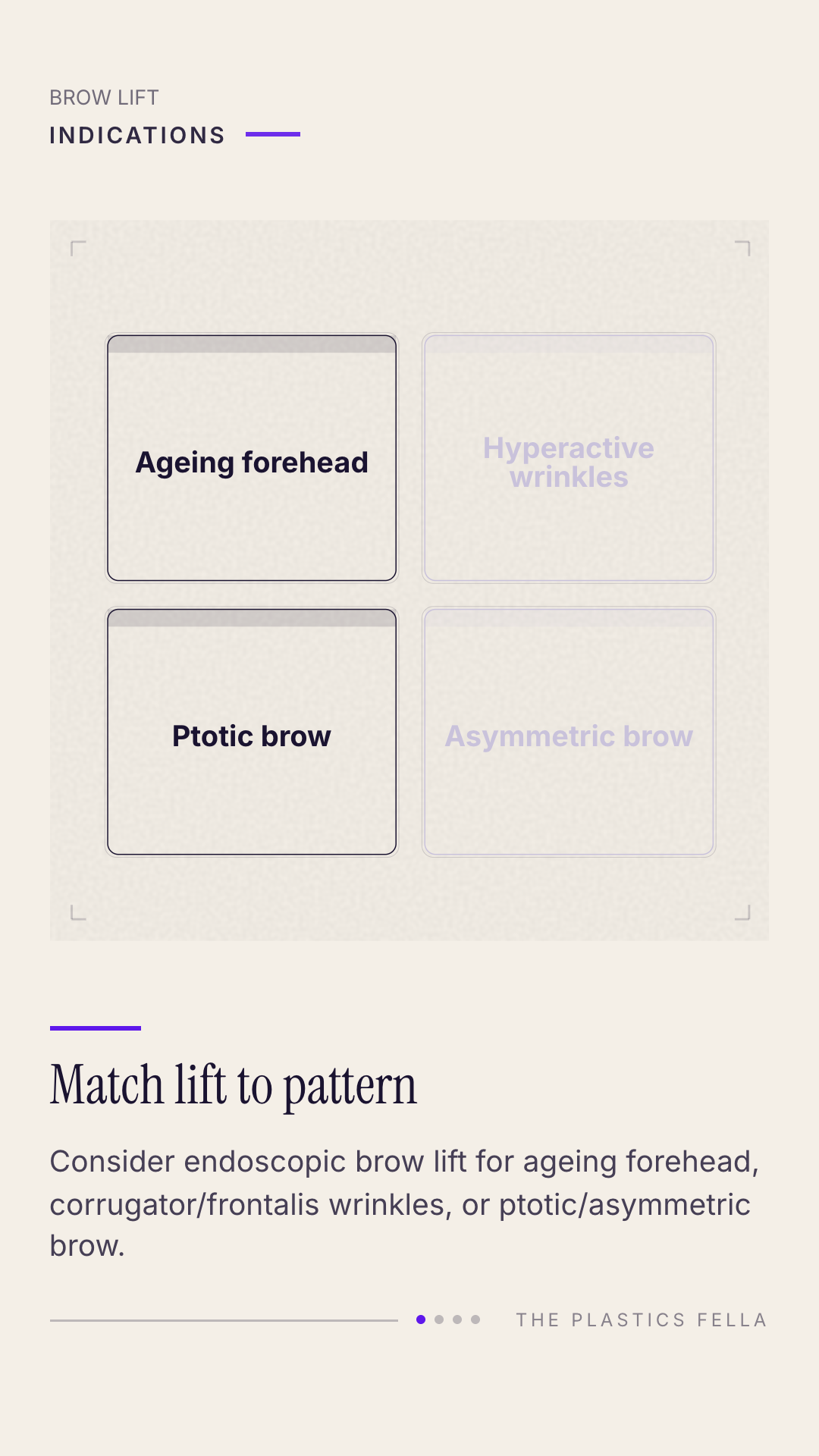
This week is a little different. We’re working on updating the visuals across our textbook and articles and moving away from static, textbook-heavy diagrams toward cleaner and clinically intuitive visuals that actually reflect how you learn in theatre, clinic, and exams.
The images you’re seeing below are very beginner-level prototypes of that shift. The goal is simple: Make images do the teaching, instead of simply supporting the text.
These visuals are guaranteed to improve over time as this is just where we're starting.
Reply below and let us know — this is your platform more than it is ours.
Technique Tip
We’re excited to announce the upcoming release of our new podcast series, “How I Operate”, featuring discussions with leading experts in plastic and reconstructive surgery.
Here’s a teaser from an upcoming episode where Professor JP Hong explores the SCIP flap and the evolution of modern reconstructive microsurgery.
This upcoming podcast series is designed to go beyond textbook learning and give insight into how world experts approach operative planning, technique, and decision-making.
🎙️ Stay tuned for more details on the release!
Build with Us
Help Choose the Next Version of thePlasticsFella
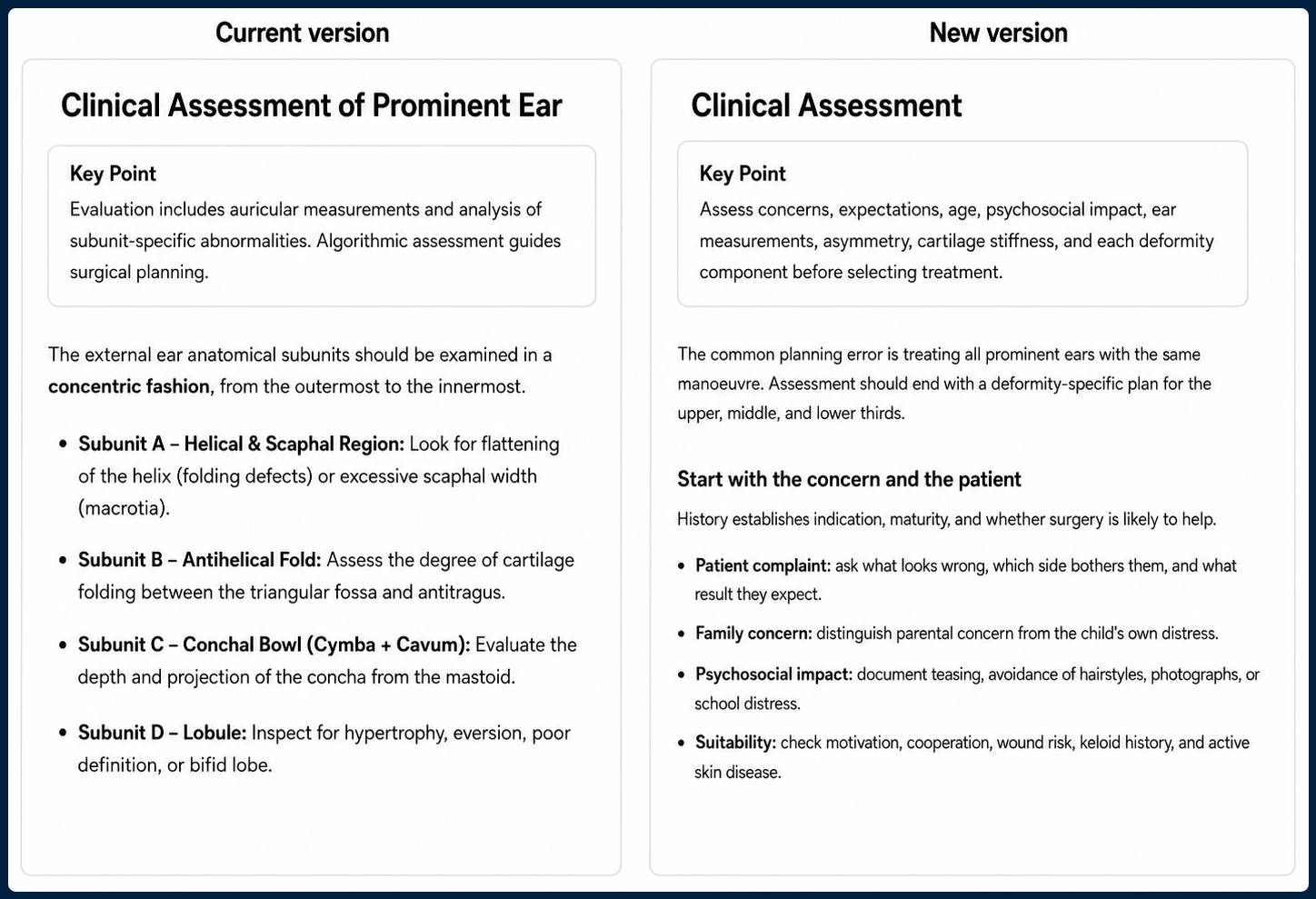
The current version is concise and direct: it tells the reader what to assess. The new version tries to go one step further. It explains why those assessment points matter, how they connect to patient concerns, and how they help build a deformity-specific treatment plan.
Please compare the two versions below and think about which format is more useful for understanding, revision, and applying the information in clinical practice. You’ll then be asked to complete a short form indicating which version you prefer.
Articles of the Week
3 Interesting Articles with One-Sentence Summaries
Visual-based interventions, particularly videos, significantly improve patient comprehension of health information compared to written or traditional methods, though they offer no clear advantage over direct clinician-patient discussion.
Virtual reality modestly improves knowledge but produces larger gains in clinical skills among health professionals, outperforming traditional and digital learning, though evidence on attitudes, satisfaction, and real-world impact remains limited.
Virtual patients match traditional teaching for knowledge but produce larger gains in clinical skills, particularly reasoning and procedural ability, though evidence on attitudes, satisfaction, and optimal design remains limited and heterogeneous.
